
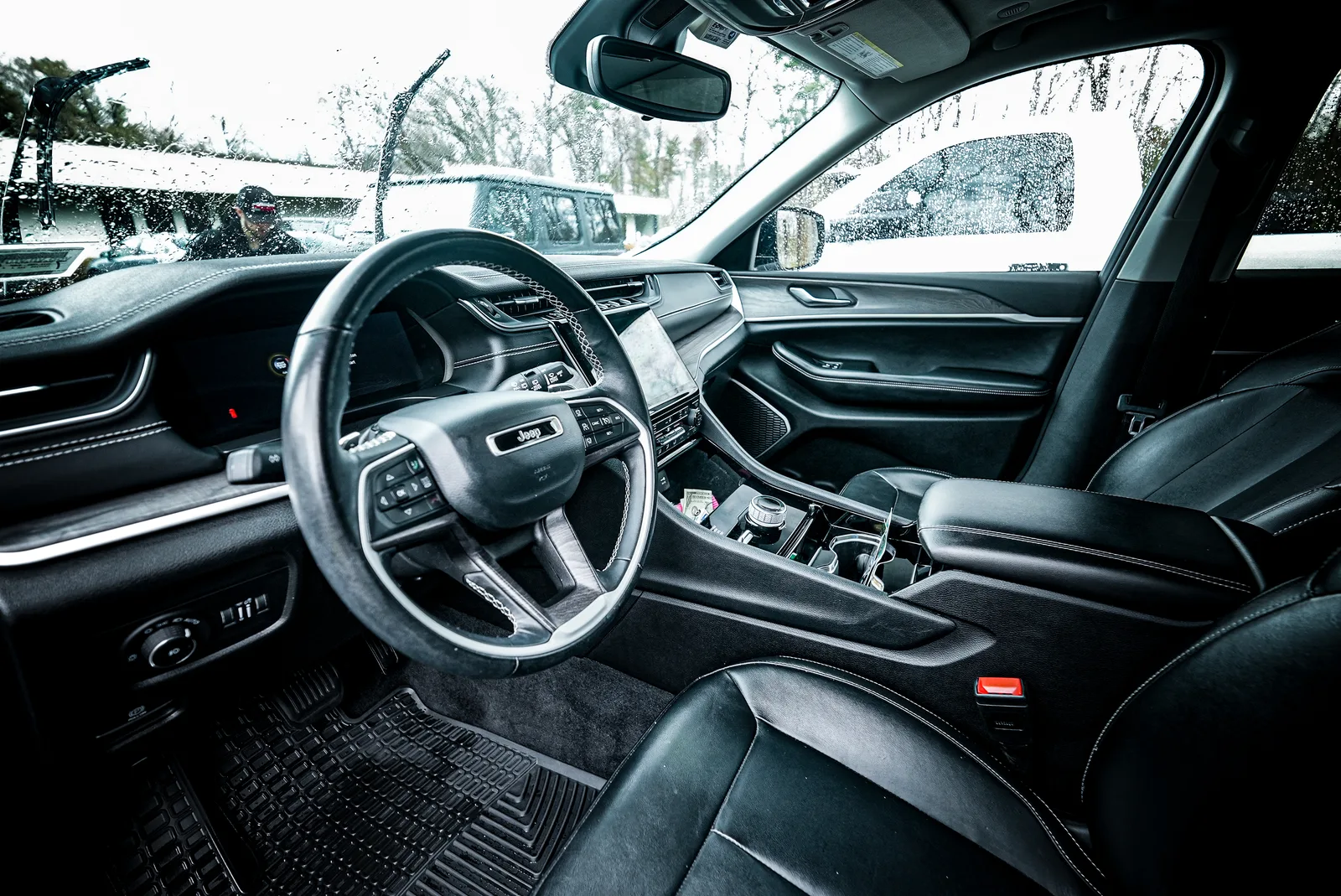
To detail your car's interior yourself, work from the top down and do the dry work before anything gets wet: clear it out, pull the mats, vacuum everything, clean the carpets and seats, then the hard surfaces, and leave the inside of the glass for last. In that order you aren't dropping dust onto a seat you just cleaned.
It's roughly how we work through an interior at the shop, minus the extractor. That gets a normal car looking right, though winter salt and pet hair usually need more than a home setup has.
Clear it out and pull the mats
Take everything out, trash, kids' car seats, the stuff in the door pockets and the center console. It's hard to clean around things and a lot of the mess ends up underneath them anyway.
Rubber mats get scrubbed with a brush and some all-purpose cleaner, rinsed, and left standing somewhere until they're fully dry. For carpet mats, beat the grit out against something solid and vacuum both sides. If they're stained, clean them the same way as the carpet below.
Do all the dry work before anything gets wet
Vacuum top down, headliner edges and seat tops first, then the seats, then the floor. Slide each front seat all the way forward to get the carpet behind it, then all the way back for the front. A soft detailing brush in one hand while you vacuum with the other gets the dust out of air vents and the seams around the gear selector, places the nozzle alone won't reach.
Pet hair is the slow part. A rubber glove or a rubber pet hair brush dragged across the fabric balls a lot of it up so the vacuum can take it. Some of it weaves into the upholstery fibers, and honestly that part usually doesn't come out at home, it needs extraction.
Carpets and cloth seats
Winter salt leaves white tide marks on the carpet. What you see is the top of it. The salt works down into the carpet backing where a vacuum can't reach, and wiping the surface leaves it right where it was.
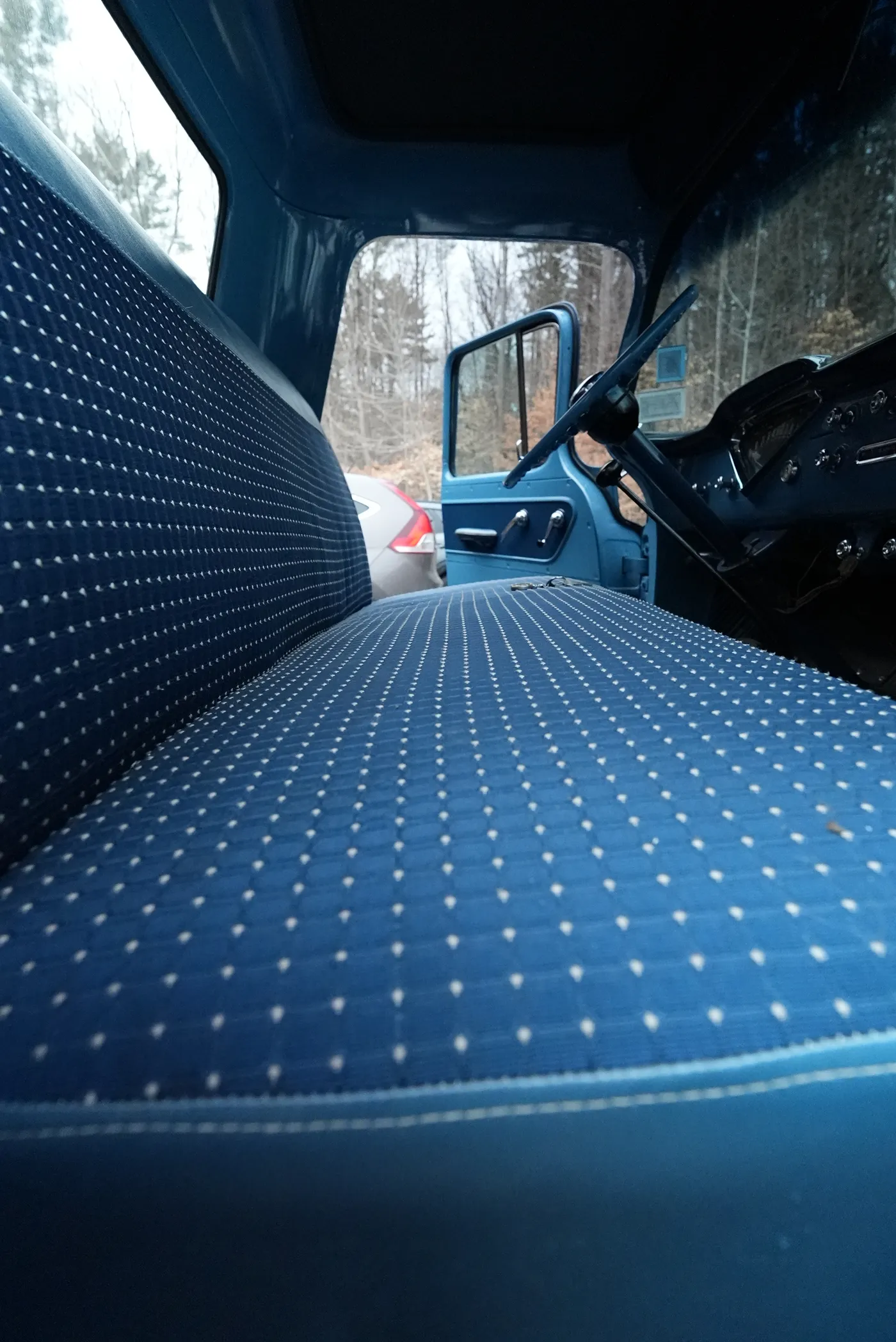
At home, mist a carpet or upholstery cleaner onto the area, work it in with a stiff brush on carpet and a softer one on seats, and then pull it back out. A wet vac does that best. Failing that, press a clean damp towel into it and keep turning to a fresh side. Go light on the liquid, especially on seats, because fabric that stays wet for days starts to smell musty.
Leather seats
Use a cleaner made for leather, on a soft brush or a microfiber towel rather than sprayed straight onto the seat, and work one panel at a time. Wipe it off with a clean towel and put a leather conditioner on once it's dry. Test both down the side of the seat base first in case the finish reacts.
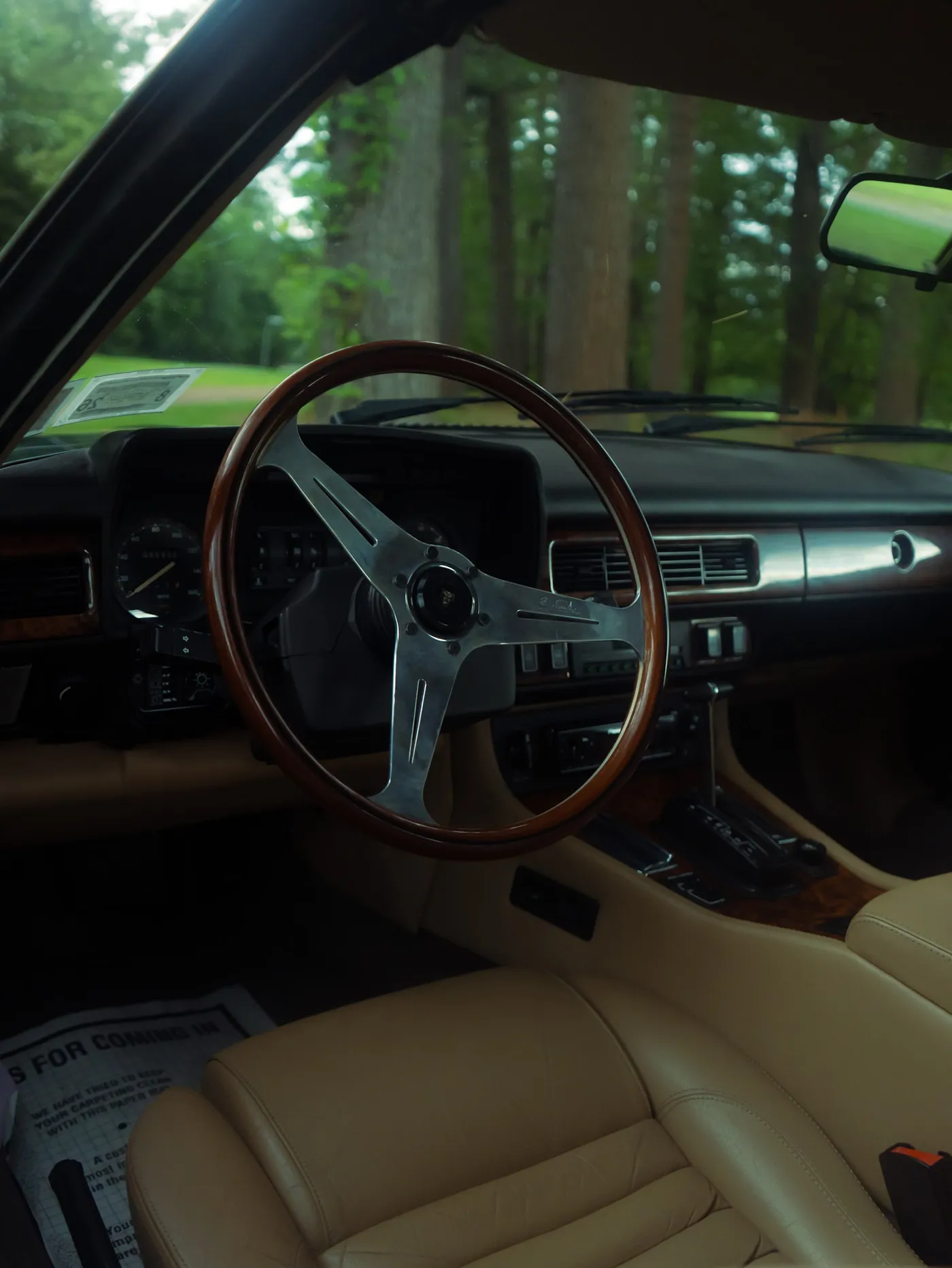
Not every mark will lift. Dye transfer from jeans onto light leather is often permanent, and so are older set-in food and drink stains. When we look at a car we tell people which stains are which up front.
Dash, trim and screens
Spray interior cleaner onto the towel instead of the dash so it doesn't run into switches and speaker grilles. A detailing brush gets the grime out of textured plastic and around buttons, then wipe it up with the towel.
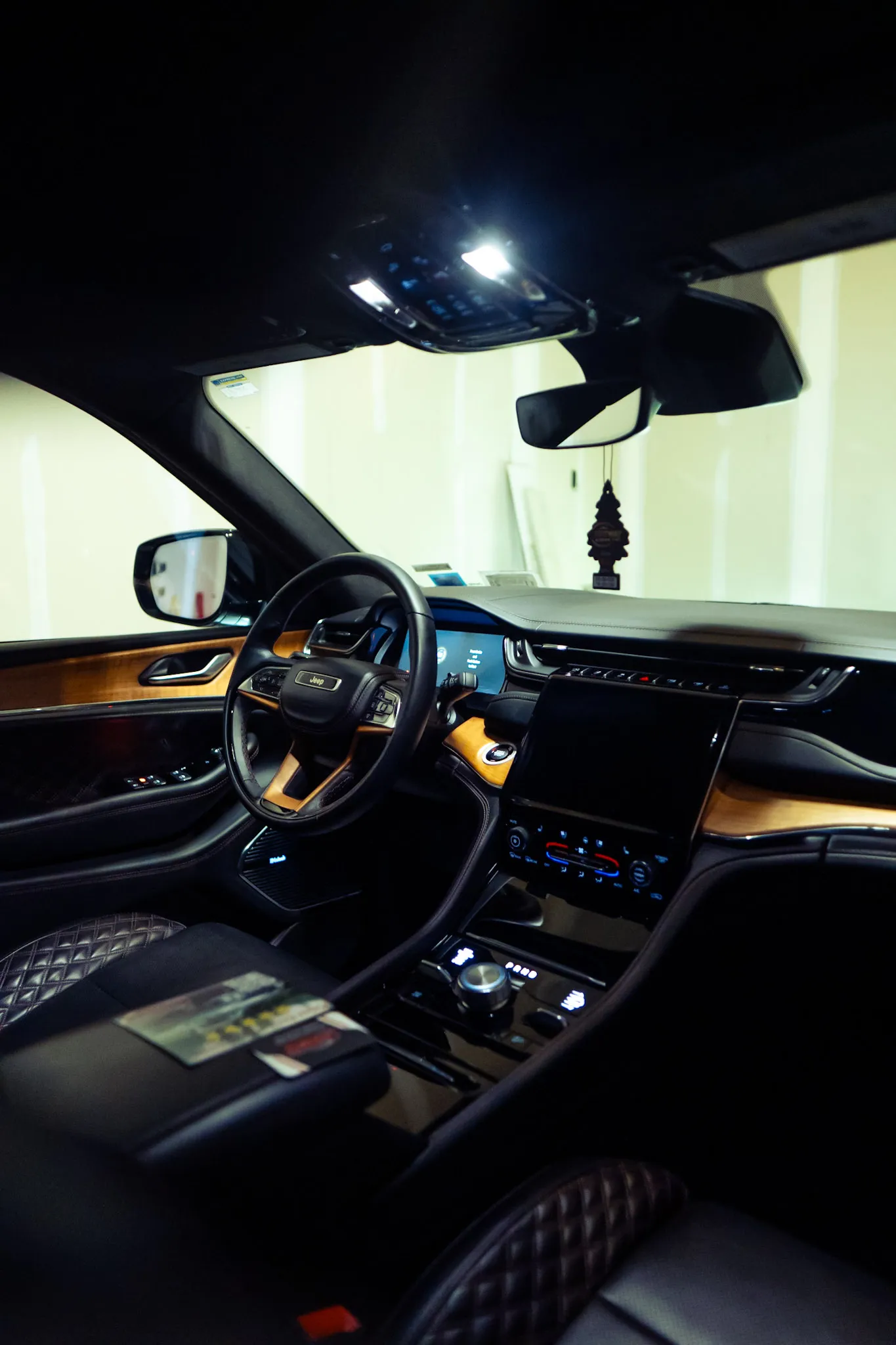
Screens and piano-black trim scratch easily, so they get their own clean, soft microfiber, dry or barely damp, with no all-purpose cleaner on it. Skip glossy dressing on the dash top too, it reflects in the windshield on a sunny drive. Sun damage is a different problem. Faded or cracked dash plastic won't come back with cleaning.
The inside of the glass, last
The haze on the inside of the windshield is a film from the cabin plastics and moisture, not ordinary dirt, which is why it smears no matter how much you wipe. Use a dedicated glass cleaner and two cloths, one to clean and a dry one to buff. If the windows have aftermarket tint, pick an ammonia-free glass cleaner. The lower corners of the windshield are the hard part, and wrapping a towel around the back of your hand helps.
Let it dry before you close it up
Leave the doors or windows open for a while if you can, or park it in a garage with the windows cracked. A lot of winter driving is short trips, and a damp cabin doesn't get much chance to dry out on those. Put the mats back in once it's dry.
If the carpet still has salt deep in it after all this, or the seats still hold dog hair, that's extraction work. We do it at the shop, or we can come to your driveway. If you're weighing up the outside of the car too, we wrote up whether ceramic coating is worth it.
Common questions
How often should I detail the inside of my car?
Most people have a full interior detail done once or twice a year, with a vacuum and a quick wipe in between. A car hauling dogs or kids through a Saratoga winter usually needs it more often.
Will a home clean get the winter salt out of the carpet?
Often the white marks on top, yes. The salt down in the carpet backing usually needs extraction, where cleaning solution is worked into the fabric and pulled back out.
Why does the inside of my windshield smear?
That haze is a film from the plastics in the cabin plus moisture, not ordinary dirt. A dedicated glass cleaner and two cloths usually sorts it.
Everything above, done with proper extraction on carpets and seats, is what goes into our executive full detail.